At WWDC 2025, Apple unveiled visionOS 26, an ambitious update to the Apple Vision Pro operating system that raises the bar for spatial computing. This version arrives packed with innovative official features announced at the event, from widgets that “come to life” in the space around us to substantial improvements in 3D images and virtual avatars. Below, we explore in detail the main new features of visionOS 26 and how they promise to revolutionise the way we work, watch content and interact in mixed reality on Apple Vision Pro.
Spatial widgets and environment personalisation
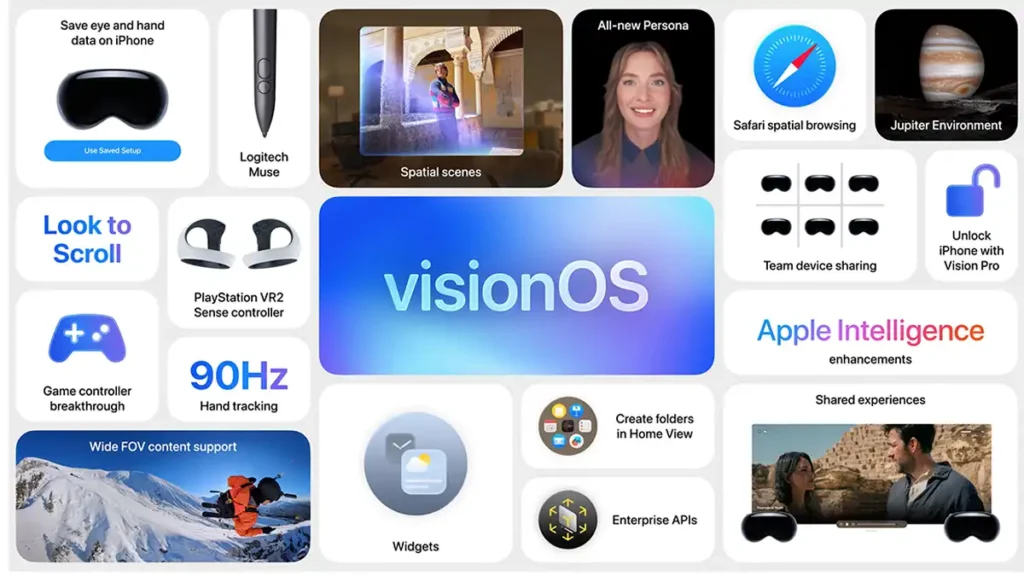
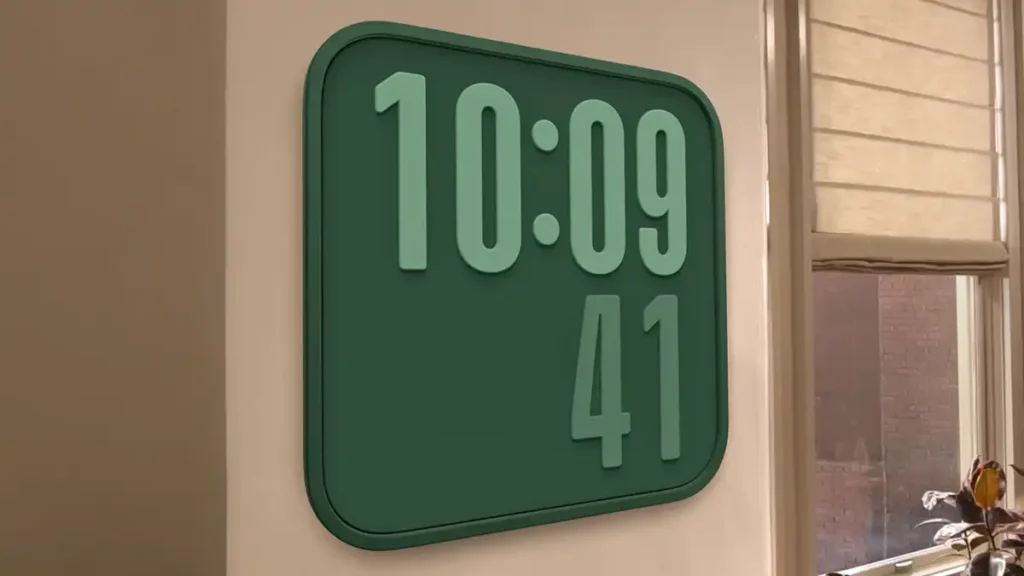
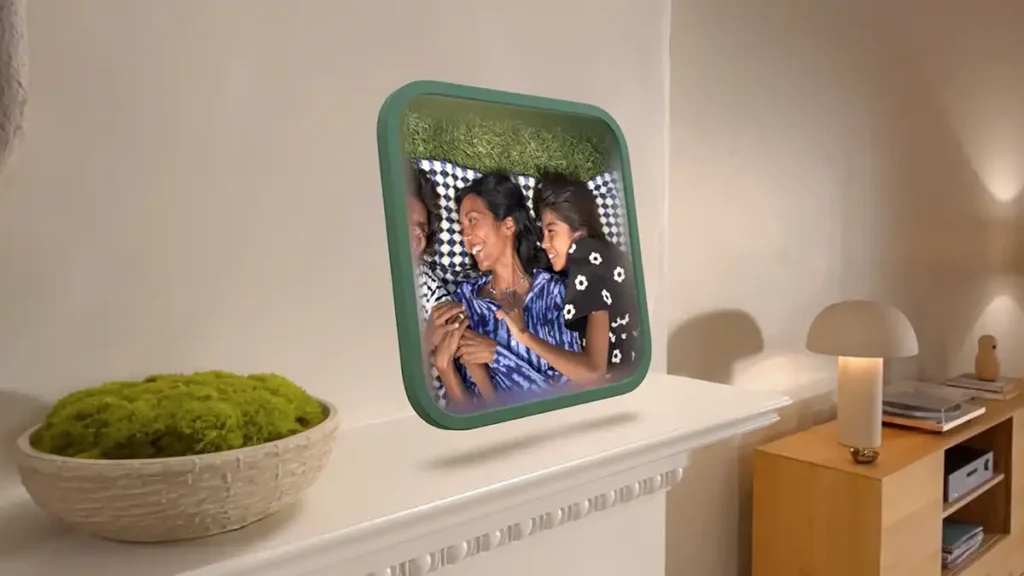
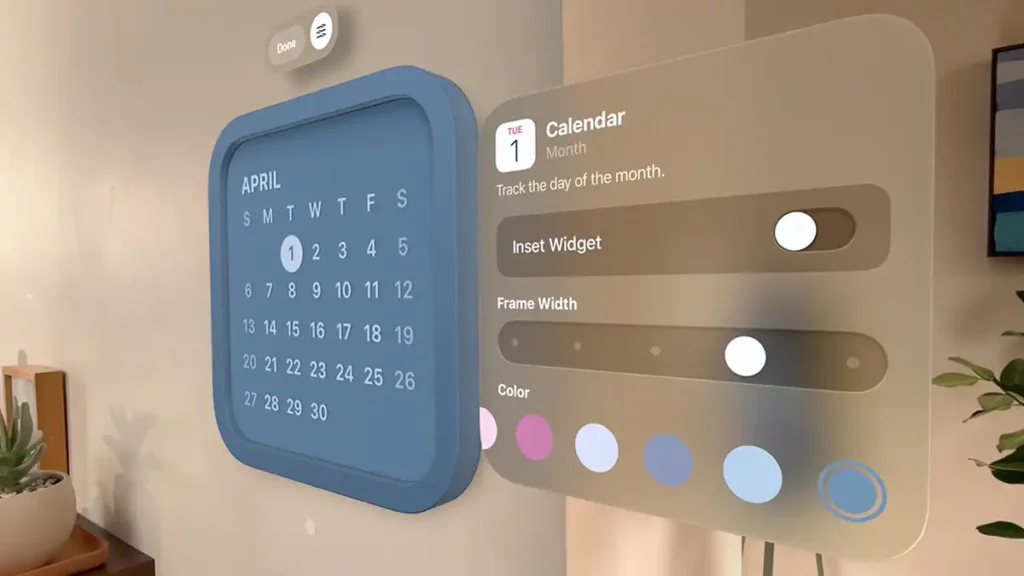
One of the biggest new features of visionOS 26 is the introduction of customisable spatial widgets, which can now float and anchor themselves in the user’s physical space. Instead of being limited to a flat screen, widgets (such as clock, weather, music or photos) are placed by the user on walls or around their environment, always staying in view and in the same place every time they put on the Vision Pro. These widgets not only show useful information at a glance, they can also be customised in size, colour and depth to match each person’s virtual decor. For example, you can “decorate” your virtual room with a panoramic calendar or favourite photos in spatial format, making the digital space more personal and functional.
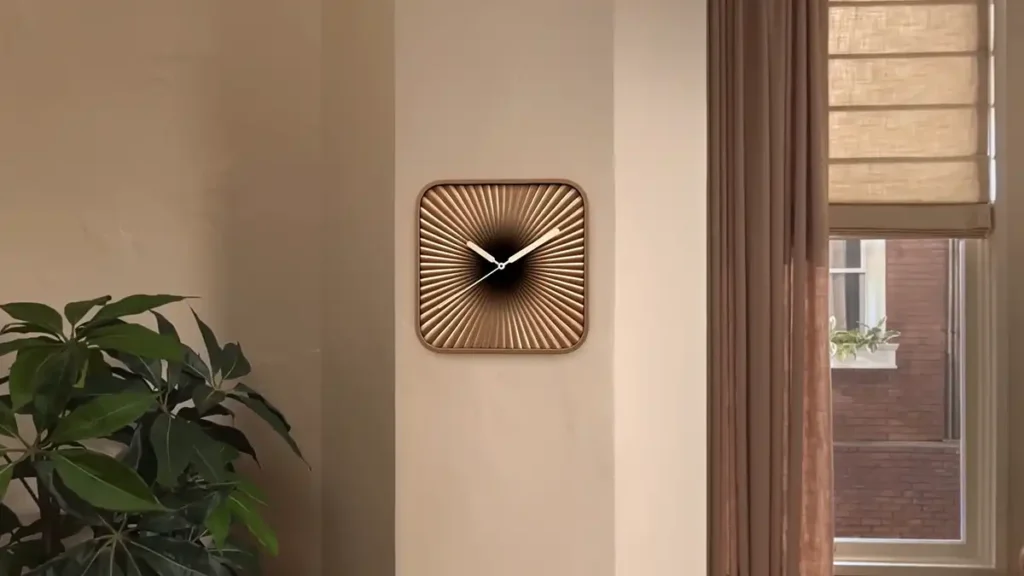
In addition, visionOS 26 includes a dedicated Widgets app that makes it easier to find new widgets, including those from compatible iOS and iPadOS apps. Developers can even create widgets for Vision Pro using WidgetKit, expanding the ecosystem of useful information available directly in your field of view. In short, widgets come to life in 3D and transform the way we quickly access information on Apple Vision Pro.
Photos and spatial scenes with immersive depth
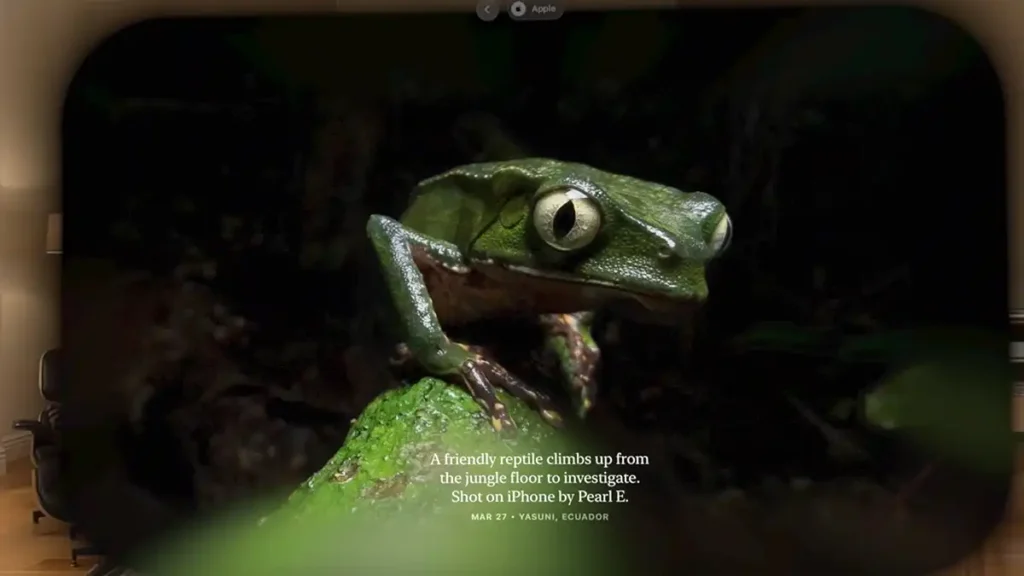
Photos and videos also take a leap forward in visionOS 26 thanks to new Spatial Scenes. This feature, powered by generative AI algorithms and computational depth techniques, allows traditional photos to be transformed into three-dimensional images with realistic depth. When you view a photo converted into a spatial scene, you get the feeling you can lean in and “peek” into the image, seeing different perspectives as if you were there. Memories captured in 2D come to life with natural relief and dimension, a panoramic landscape, for example, gains depth layers that surround the user in the scene.
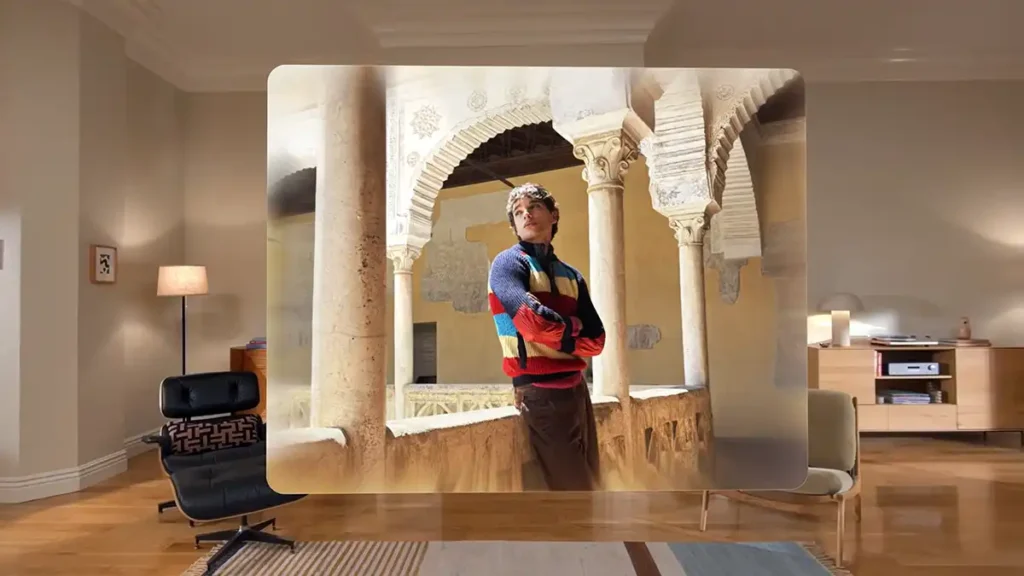
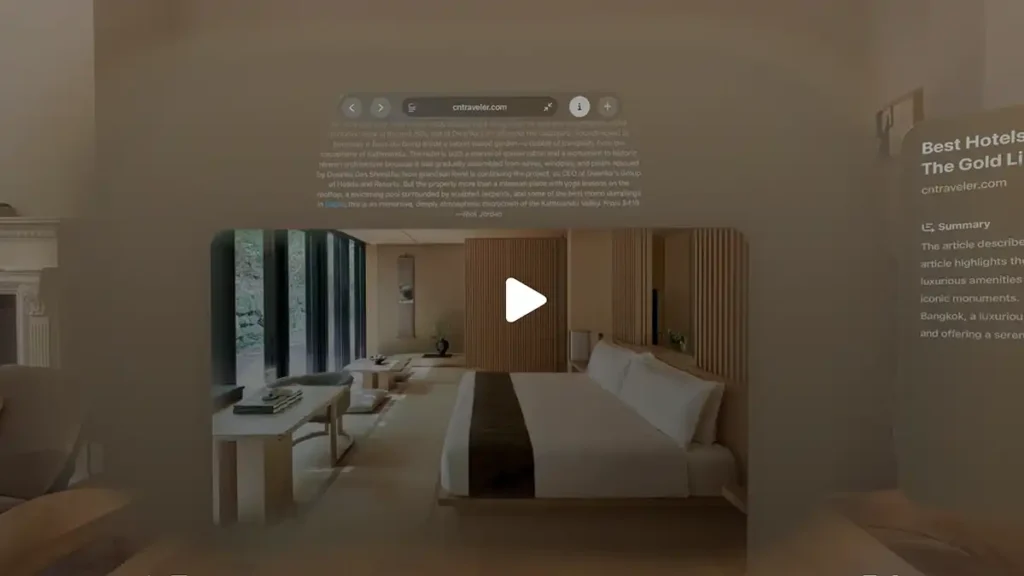
Users can view these immersive 3D scenes in the Photos app, in the new Spatial Gallery app (which includes curated collections of photos and 360º panoramas) and even in Safari. In fact, the web browser now supports a “spatial browsing” mode, where articles and pages can hide distractions and reveal inline spatial scenes as you scroll. Web developers can also embed interactive 3D models directly into websites, allowing users to see and manipulate objects with depth through Vision Pro. On shopping or education sites, for example, you will be able to rotate and examine a product in 3D right on the web page, adding a new dimension to e-commerce and online learning.
Equally important, visionOS 26 now natively supports 180° and 360° videos, as well as other wide field-of-view formats. Content captured with cameras such as Insta360 or GoPro can be played back on Vision Pro taking full advantage of its immersion, placing the user at the centre of the action. If you have 360º adventure videos or extreme sports clips, you can now relive them “as they were meant to be seen”, completely filling your visual field. Apple has even highlighted that partners like Insta360, GoPro and Canon are embracing this format, signalling a growing ecosystem of VR/AR content ready to leverage Vision Pro’s advanced hardware.
More realistic virtual Personas and shared experiences
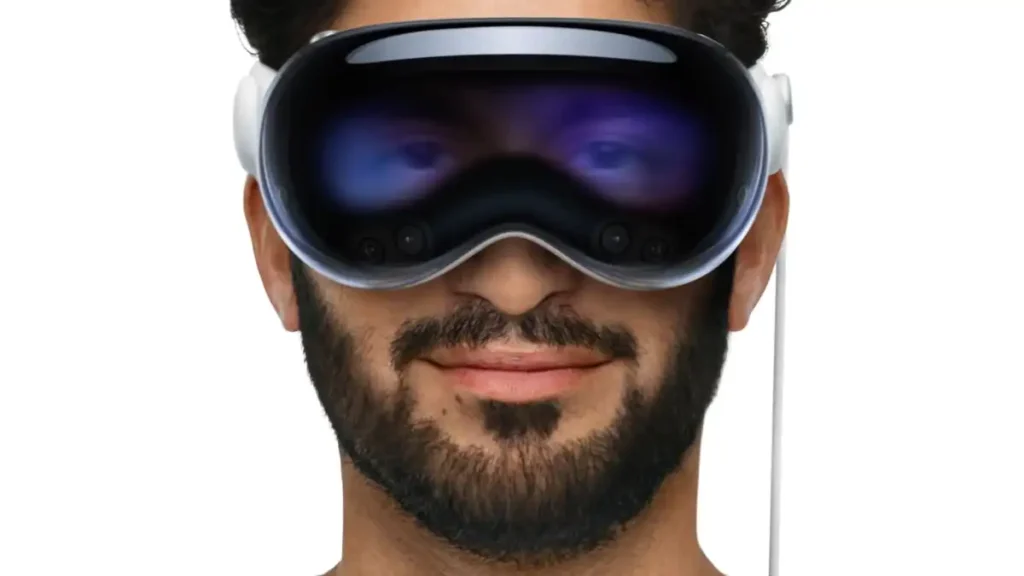
Another major improvement focuses on how we interact with other people in virtual reality. Personas, the user’s virtual representations in apps such as FaceTime have been deeply upgraded in visionOS 26. Using advanced volumetric rendering and machine learning, the avatars now show impressive detail, hair, eyelashes, facial expressions and skin tones look much more natural and true to life. Apple says the new Personas even offer a full side profile of the face and can be customised during setup (including choosing glasses from hundreds of options), all generated on device in seconds with strong privacy protections. In virtual calls, this translates into more engaging conversations, where the other person sees a much more expressive and human-like version of you, even if you just woke up, your avatar will look good in digital meetings.

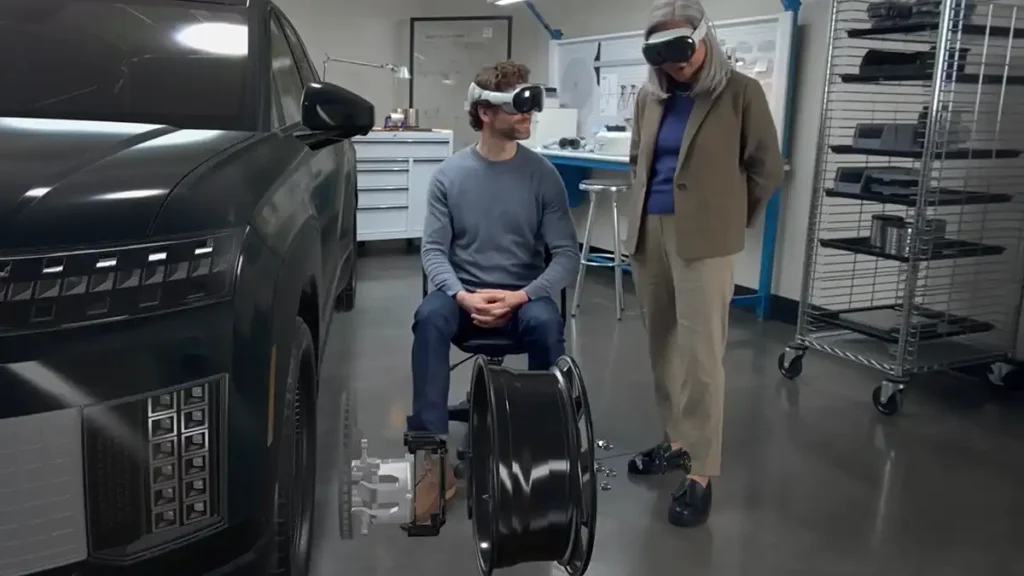
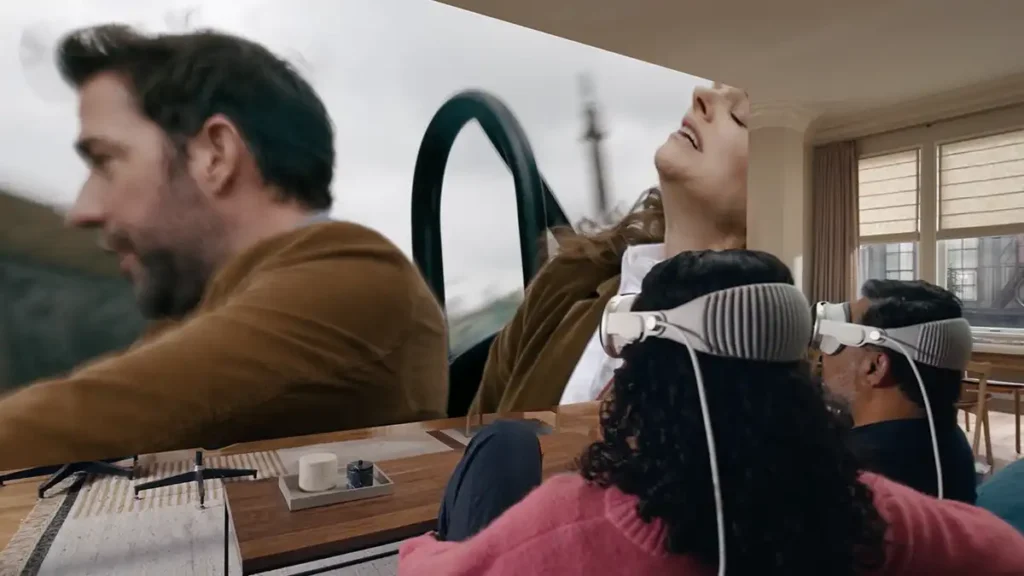
Beyond individual improvements, visionOS 26 expands shared experiences in Vision Pro. You can now share mixed reality sessions with several people in the same room, from watching a 3D film on a giant virtual screen to playing a spatial game as a group. Each participant with an Apple Vision Pro sees the same synchronised content in their space. And it is not just local: you can continue adding remote participants via FaceTime, combining colleagues in the same room with others at a distance in one mixed immersive experience. For example, Dassault Systèmes has already demonstrated a 3DLive app that takes advantage of this capability, allowing people locally and remote colleagues to view and edit 3D models collaboratively. With visionOS 26, working in teams or having fun with friends in virtual environments becomes more interactive and social, bringing the virtual world even closer to the real one.
New ways to interact: controls, gaze and performance
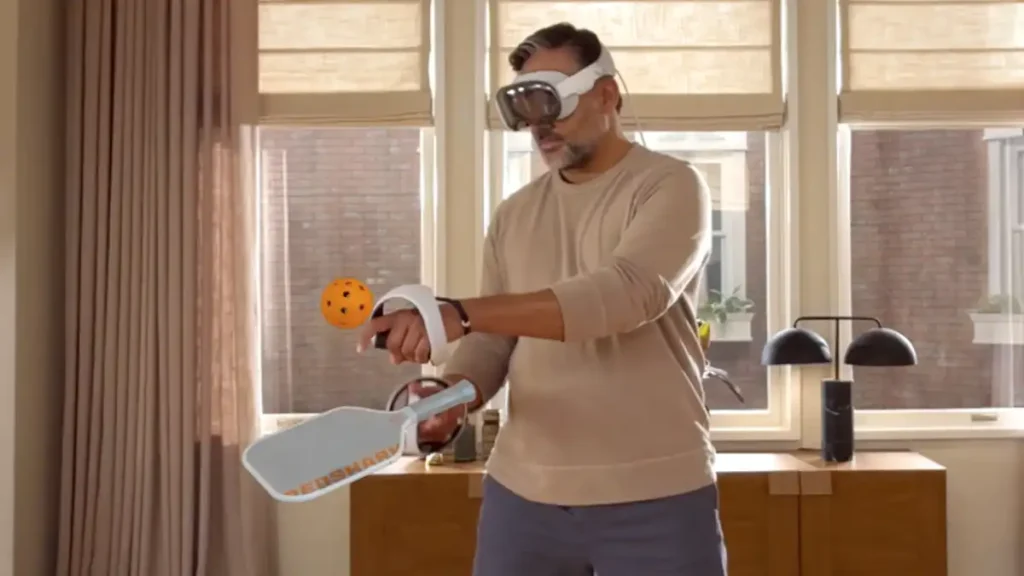
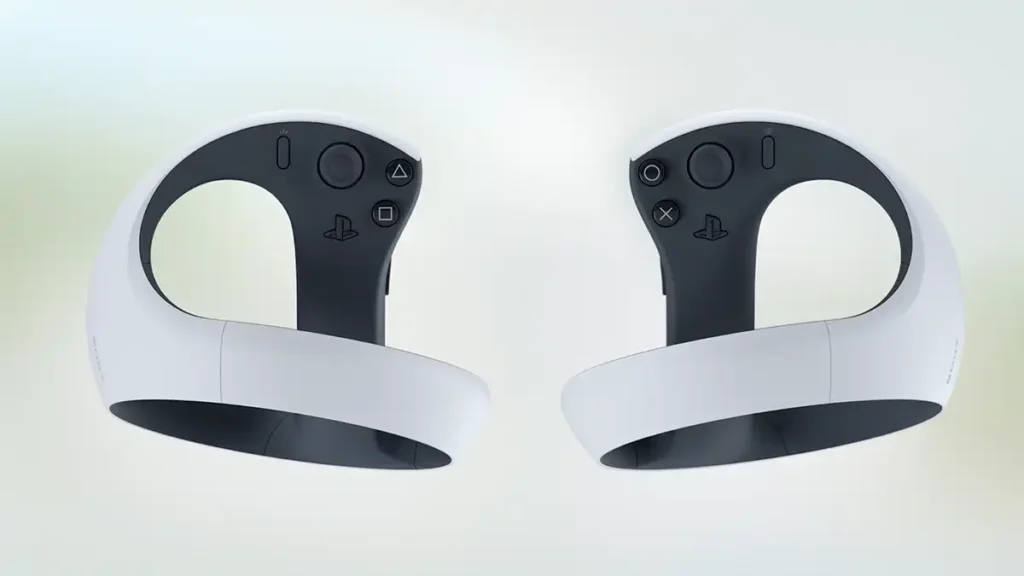
visionOS 26 also introduces significant new features in how we interact with the virtual world and control the device. One of them is support for third-party physical controllers: for the first time, Apple Vision Pro is compatible with the PlayStation VR2 Sense controller, allowing this six-degrees-of-freedom (6DoF) controller to be used in games and apps. With highly precise motion tracking, finger-touch detection and haptic feedback, the PS VR2 controller raises gaming on Vision Pro to another level, offering more complex and immersive controls than simple hand gestures. This opens the door to a new class of games on visionOS – imagine action or simulation titles with the precision of a dedicated controller, while taking advantage of the device’s graphics and immersive display.
Conclusion
In summary, visionOS 26 introduced at WWDC 2025 delivers an impressive set of new features that further enhance the Apple Vision Pro experience. From floating widgets that make day-to-day information more accessible, to truly immersive 3D photos and videos, to new ways of interacting through gaze or controllers, Apple demonstrates E-E-A-T experience, expertise, authority and trustworthiness – by delivering a robust, well-designed update. These features are based on Apple’s official announcements and reflect the company’s vision for the future of mixed reality.